Why Toothpaste Can Trigger Gagging During Pregnancy
Sometimes it is not brushing itself that feels hardest.
Sometimes it is the toothpaste.
A taste that suddenly feels too strong.
A texture that feels more intense than usual.
A routine that once felt automatic now becoming something you hesitate before starting.
During pregnancy, even familiar oral care habits can begin to feel different. And for some expecting mothers, toothpaste becomes part of that shift.
If brushing suddenly feels uncomfortable, uneasy, or harder to tolerate than before, you are not imagining it. Pregnancy can make the mouth and body more sensitive in ways that change how oral care feels from one day to the next.
Why toothpaste can feel harder to tolerate during pregnancy
Pregnancy can heighten the way the body responds to taste, smell, and texture.
That means a toothpaste you used for months or years without a second thought can suddenly feel too strong, too minty, too foamy, or simply too much. The mouth may feel more reactive. The throat may feel more sensitive. The overall brushing experience may start to feel difficult before it has even really begun.
Sometimes the reaction feels immediate.
Sometimes it builds as soon as the flavor hits.
Sometimes it is not dramatic, just enough to make the routine feel harder than it used to.
That change is real.
And it can make brushing feel far less simple.
Strong mint can suddenly feel overwhelming
Mint is often associated with freshness.
But during pregnancy, strong mint can start to feel sharp rather than refreshing. A flavor that once felt clean can suddenly feel overwhelming, especially when the body is already more sensitive to smell and taste.
This can make the start of brushing feel more intense than expected. And when the first moment of the routine already feels difficult, everything that follows can feel harder to tolerate.
For some women, the issue is not oral care itself.
It is the intensity of what is in the mouth.
Foam can make the experience feel worse
Taste is only one part of it.
Texture matters too.
Some toothpastes create a lot of foam, and when the mouth already feels more sensitive, that extra sensation can quickly make brushing feel more overwhelming. Too much foam can make the routine feel messier, more stimulating, and harder to manage calmly.
When discomfort builds from several small sensations at once, flavor, foam, texture, and movement, the experience can feel much harder to tolerate than it seems from the outside.
The gag reflex may feel easier to trigger
Pregnancy can also make the gag reflex feel more active.
When that happens, the combination of a strong taste, a foamy texture, and brushing near the back of the mouth can feel like too much at once. Even a routine that technically only lasts a few minutes can start to feel stressful before it really begins.
That is often why the experience feels confusing.
You know it is just brushing your teeth.
But your body is responding as though the routine has become much bigger than that.
Why this can feel frustrating
Oral care is usually thought of as simple.
So when something as ordinary as toothpaste starts making the routine feel difficult, it can be frustrating in a way that is hard to explain. It may even make you question yourself. Why does this suddenly feel so hard? Why does something so small feel so intense?
But pregnancy often changes small experiences in very real ways.
The important thing is not to dismiss the reaction. It is to understand it, and then make the routine feel more manageable.
Small changes can make a big difference
When toothpaste starts to feel harder to tolerate, the answer is often not to force the same routine.
It is to reduce the intensity of the experience.
That can mean using a smaller amount of toothpaste, choosing a milder flavor, brushing more slowly, or being especially gentle near the back of the mouth. Small adjustments can change the entire feel of the routine because they lower the amount of stimulation the body has to process at once.
Sometimes that is what makes brushing possible again.
Not more effort.
Just less intensity.
Try using less toothpaste
One of the simplest changes is often one of the most helpful.
Using less toothpaste can reduce how strong the taste feels, how much foam builds in the mouth, and how overwhelming the whole experience becomes. The goal is not to make the routine less effective. It is to make it easier to tolerate.
When the mouth already feels more reactive, even this small shift can help the routine feel calmer.
A milder toothpaste flavor may help
If strong mint suddenly feels too sharp or overwhelming, it may help to try a gentler flavor instead.
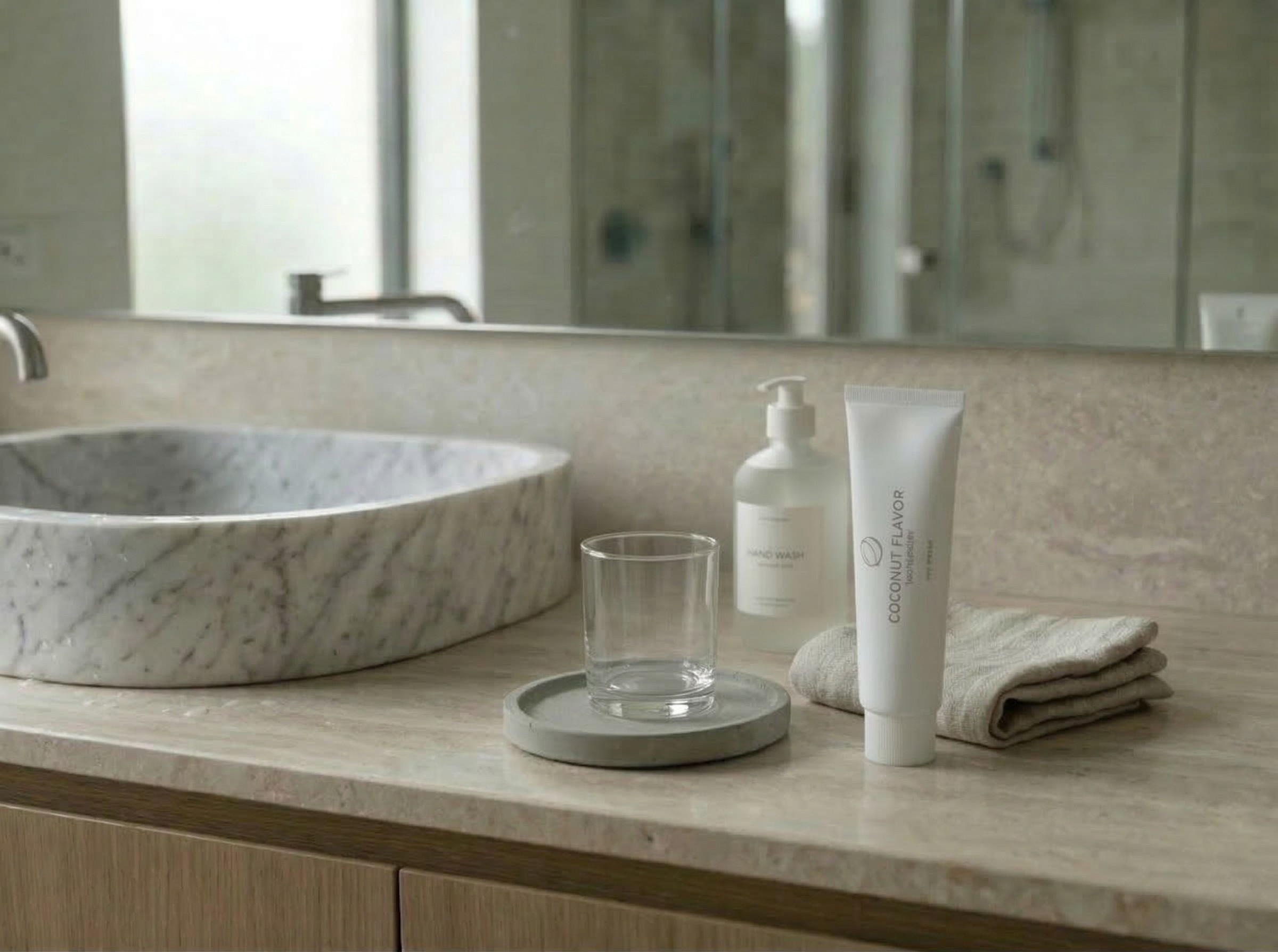
Some women find that softer options, such as vanilla, coconut, mild berry, or a very lightly flavored toothpaste, feel easier to tolerate during pregnancy. Others prefer something as neutral as possible, such as a low-flavor or unflavored formula.
Sometimes the best toothpaste is not the strongest tasting one.
It is the one that makes the routine feel more manageable.
Lower foam can feel easier to manage
If the sensation in the mouth feels like too much, a lower-foaming toothpaste may help the routine feel less intense.
For some women, it is not only the flavor that feels difficult. It is also the buildup of foam and the feeling of too much happening at once. A gentler formula can make brushing feel calmer and easier to complete.
Start slowly, especially in the first few seconds
The beginning of the routine often sets the tone for everything that follows.
If the first few seconds already feel intense, the rest of brushing can quickly feel harder. Starting slowly gives the body more time to adjust instead of reacting to everything at once.
A calmer start can make a surprising difference.
Spit more often if that feels better
Sometimes the routine feels harder simply because too much flavor and foam builds up too quickly.
Spitting more often while brushing can help reduce that feeling of overload and make the experience feel easier to manage step by step.
Small adjustments like this may seem minor.
But when the mouth feels more sensitive, they can matter a lot.
Be gentler near the back of the mouth
For some women, the back of the mouth is where brushing feels most difficult during pregnancy.
That area may feel more sensitive, more reactive, or simply harder to tolerate. Moving more slowly there, and being especially gentle, can help reduce how overwhelming the routine feels.
Sometimes brushing becomes easier when the experience feels less intrusive.
Try brushing at a different time of day
Sensitivity is not always the same from morning to evening.
If brushing feels worst first thing in the morning or late at night, another moment in the day may feel easier to tolerate. A time when nausea feels lower, energy feels steadier, or the mouth feels less reactive can make a meaningful difference.
Sometimes the routine itself is not the problem.
Sometimes it is the moment you are trying to do it.
A gentler brushing experience matters too
When toothpaste starts to feel harder to manage, the brush itself matters even more.
If the mouth already feels sensitive, a harsh brushing sensation can add another layer of discomfort on top of the taste and texture of the toothpaste. A softer brushing experience can help reduce that overall feeling of overload and make the routine feel more supportive.
This is where gentleness becomes more than a preference.
It becomes part of what makes the routine easier to return to.
The routine may need to adapt for a while
Pregnancy does not always ask for a completely different routine.
But it often asks for a more flexible one.
If toothpaste suddenly feels harder to tolerate, that does not mean you are doing anything wrong. It simply means your body may need oral care to feel softer, lighter, and less intense for a while.
A smaller amount of toothpaste.
A milder taste.
Less foam.
A slower start.
A gentler brush.
Sometimes adaptation is not about changing everything.
It is about removing what feels like too much.
The Dentine Care view
At Dentine Care, we believe oral care should feel more supportive when the body feels more sensitive.
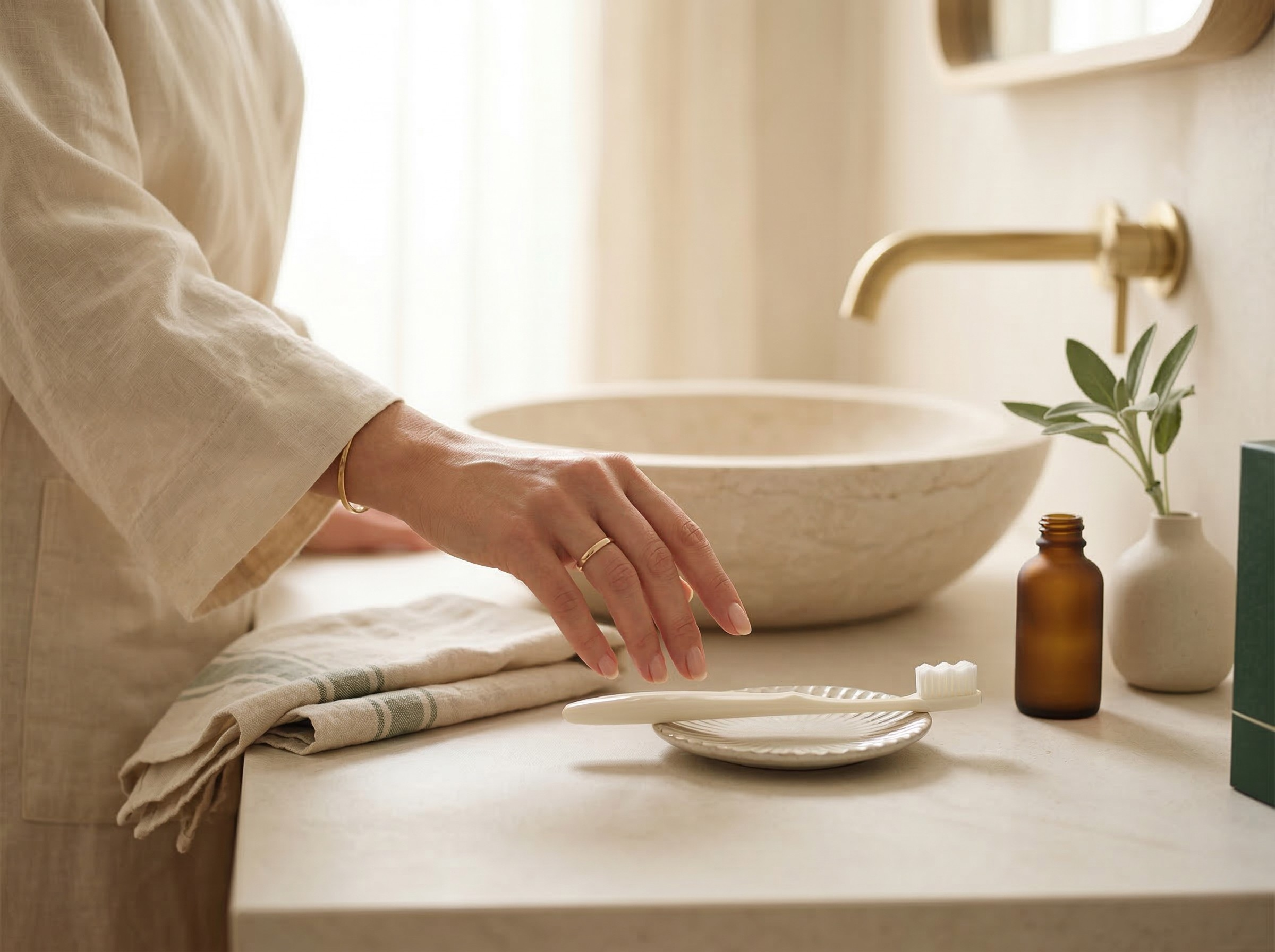
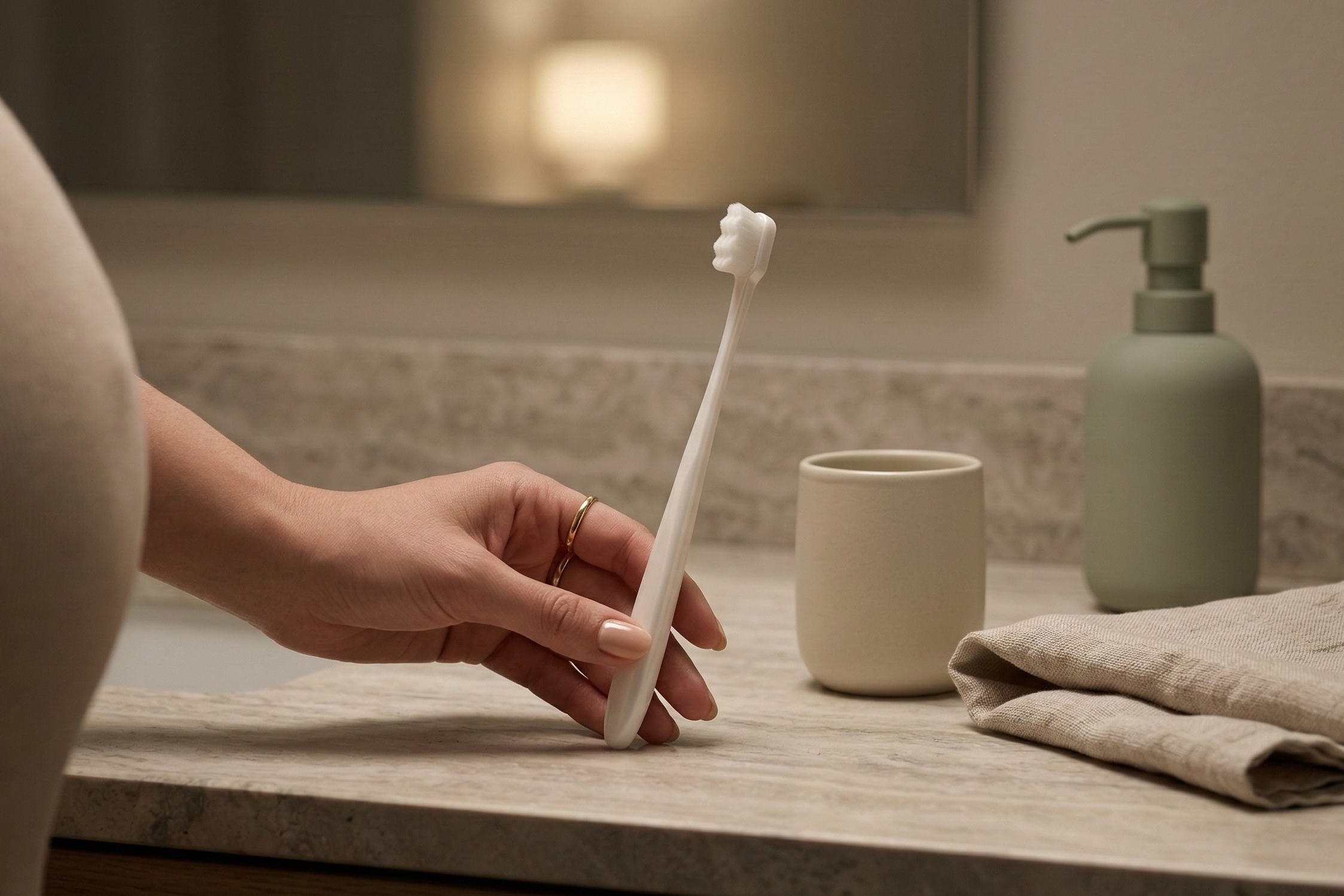
That is why we offer the Mommy Brush, made to bring a gentler, more reassuring brushing experience to moments when brushing feels more delicate than usual. When taste, texture, and sensitivity all feel heightened, softness can help make the routine feel calmer and easier to return to.
When sensitivity changes, care should change too.